The Photos You Don't Know You Need... Until You Need Them

It happens all the time. Everything is moving along just fine until someone asks, “Do we have a photo for that?” Sometimes the answer is yes. More often, it’s a scramble through old folders or images that no longer reflect who your organization is today.

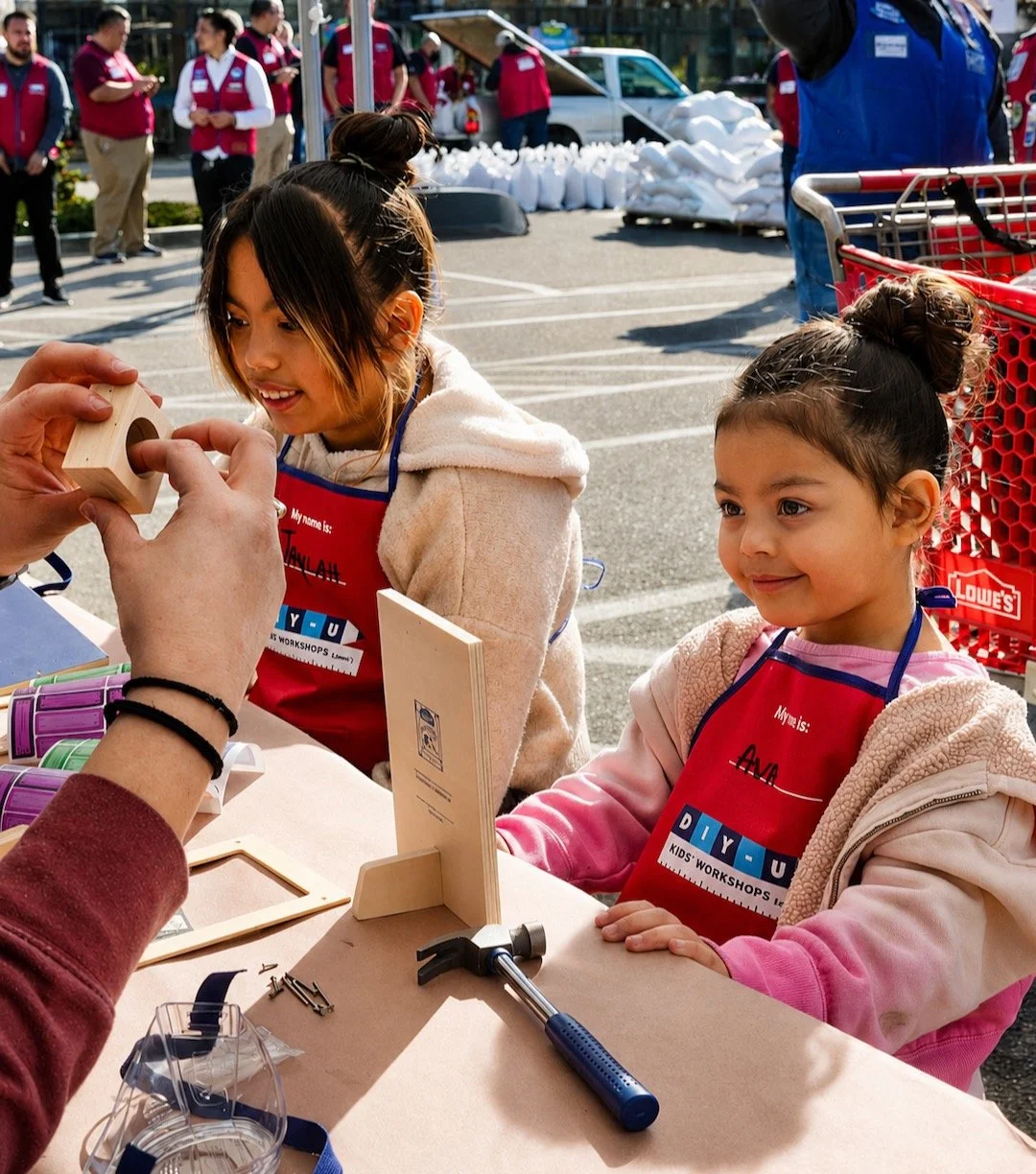
The truth is, many of the most valuable photos aren’t planned months in advance. They’re the everyday moments that become important later. Marketing needs photo for tomorrow’s newsletter. Your website is getting a refresh. HR is recruiting new employees. Development is launching a new donor campaign, A leader is being recognized with an award.

Suddenly everyone is asking the same question. “Do we have a photo for that?” The strongest photo libraries aren’t built during a last minute rush. They grow overtime. That’s why I encourage organizations to think beyond a single event or one annual headshot session. Every community event, employee milestone, leadership meeting or behind the scenes moments in the office adds another chapter to your visual story.

Over time, those moments become one your most valuable marketing assets because they’re ready when you need them. When the next request comes in, you won’t be searching through old folders hoping something might work. You’ll already have the story waiting.
The Longer You Work With Someone, The Better You See Them

One of the most rewarding parts of my job isn’t just making photographs. It’s building relationships.

When you work with people over time, an unspoken trust develops. You learn their habits, expressions, and how they move through a room. They become comfortable with you, and you learn to anticipate moments before they happen.

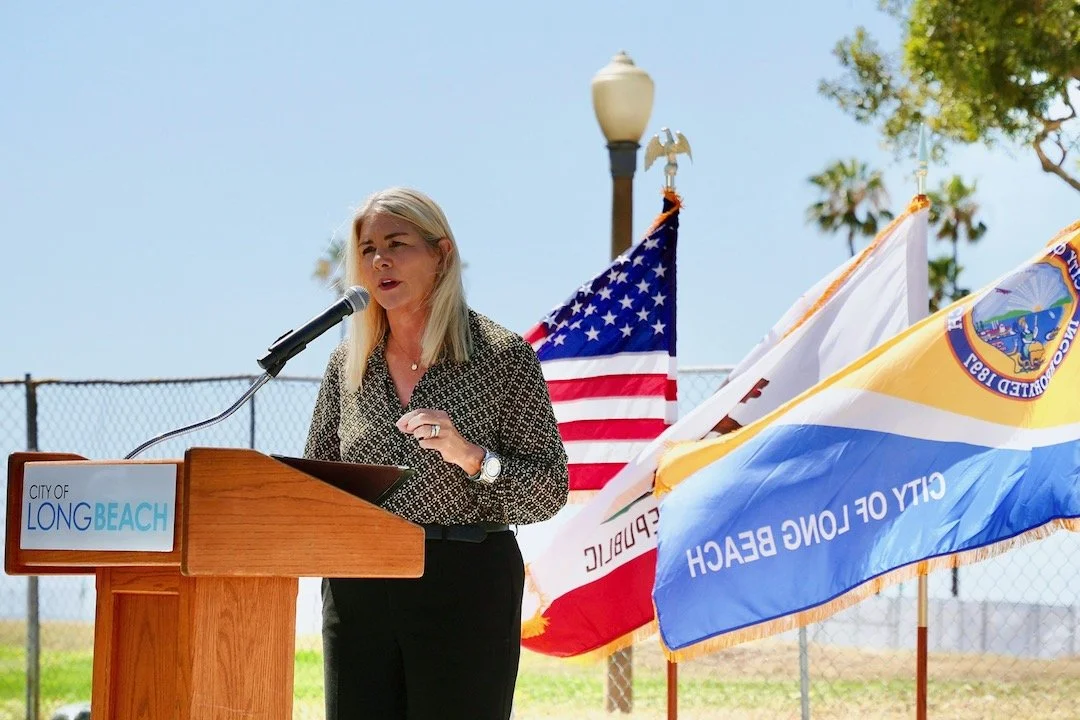
At a recent City event, I positioned myself on one side of the podium because I wanted a very specific background that helped tell the story of the event. From that angle, however, the speaker’s hair was falling across part of her face. Not ideal when you are photographing a leader addressing a crowd, especially with media surrounding the stage. In that moment, I had to make a decision. The background helped provide context, but it wouldn’t matter if the photograph didn't clearly show the person of the story.

I trusted my instincts and hustled to the opposite side. Within moments, she naturally moved her hair back, opening her face to the audience. Suddenly everything came together. The expression, the flags, the composition and moment.

I could have stayed put and accepted the angle. Instead, experience told me to trust my instincts.

This was preparation, familiarity, and being ready to pivot when the opportunity appeared.

Getting a good and useable shot isn’t just about what is happening now. It’s about anticipating what’s about to happen, knowing your subject, and being in the right place at the right time.